Move a Pet from Indonesia to Singapore: AVS Process
July 17, 2026
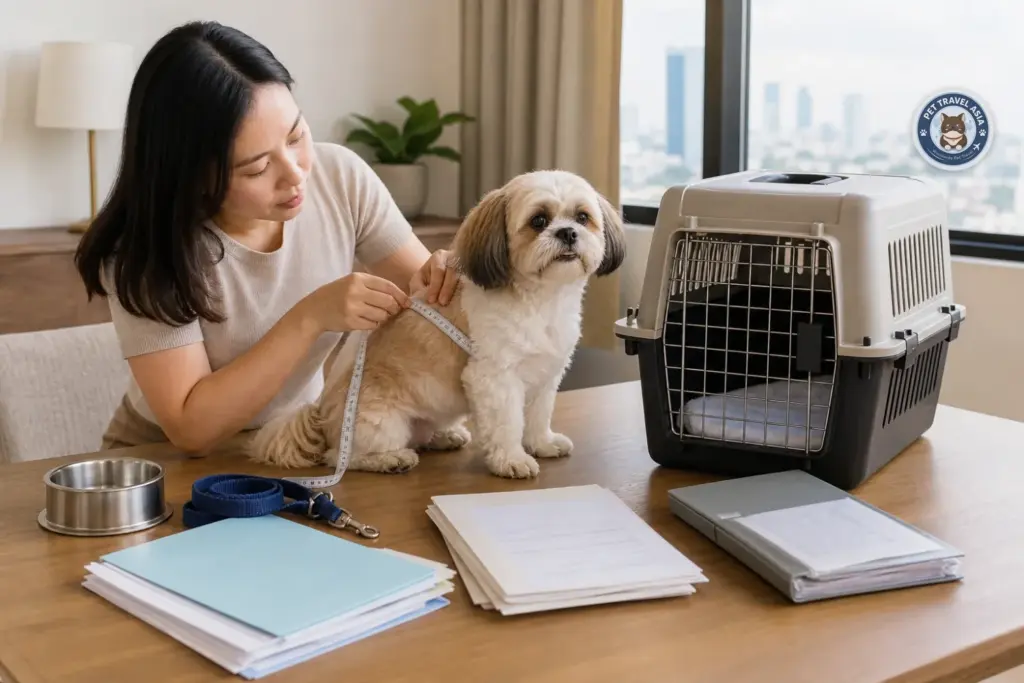
Moving to Singapore with a pet can feel deceptively simple at first: the flight is short, the cities are close, and you may already have a moving date. The difficult part is that your pet’s entry is governed by Singapore’s import system, not by the distance between Jakarta and Changi. A late document, an unconfirmed country category, or an unsuitable flight arrangement can disrupt an otherwise well-planned move.
For families planning to move a pet from Indonesia to Singapore, the most useful approach is to work backward from the intended arrival date. Singapore’s Animal & Veterinary Service (AVS) uses a country-category framework, and that framework affects the import process and potential quarantine outcome. The rules can change, so the current category and requirements should always be confirmed before a flight is booked.
Why Singapore entry requirements are not the same for every pet
Singapore does not treat every origin country in the same way. AVS assesses the pet’s origin under its country-category system, then applies the relevant import conditions. That is why advice from a friend relocating from another country may not match a pet travelling from Indonesia.
At a practical level, the process includes an AVS import licence, identification and vaccination records, and arrival planning. Quarantine may range from 0 to 30 days depending on the category and the complete circumstances of the shipment. Do not assume a particular outcome for an Indonesian-origin pet; confirm the current position with the team before committing to travel dates. For the broader official-entry overview, start with our Singapore pet import guide.
How the AVS country-category system shapes the plan
The category is not a label to treat as a formality. It affects how AVS evaluates the supporting records and whether quarantine arrangements may be needed. Your pet’s travel history, the country of export, and the documentary sequence can all matter. This is also why documents should be reviewed as a set rather than collected at the last minute.
A calm plan separates facts that can be prepared early from details that must be reconfirmed. Your pet can be microchipped, its vaccination records can be organised, and the crate can be selected in advance. Meanwhile, the live AVS requirements, licence timing, airline acceptance, and any quarantine booking needs should be checked for your actual departure date. A route-specific overview is available on our Indonesia-to-Singapore pet relocation page.
AVS import licence: place it in the right sequence
The AVS import licence is a core part of the entry process, but it should not be treated as the first isolated task. First, establish the intended travel window, review the pet’s identification and health history, and confirm which import conditions apply. The licence application can then be coordinated against the flight and arrival plan.
Booking too early without checking the paperwork can create avoidable changes; waiting until the final week leaves little room to correct records. A pet-relocation team can coordinate the application sequence with local partners and the receiving arrangements. If you need help managing the permit side, see our import-permit support service. Requirements and application windows can change, so the final document checklist must be verified for each move.
Documents to prepare from Indonesia
Good documentation starts with consistency. The microchip number should match across certificates and veterinary records, while vaccination records should be legible and complete. Depending on the confirmed AVS conditions, the file may also include the required veterinary health documentation and export-side clearance from Indonesia.
Barantin, Indonesia’s quarantine authority, is relevant on the departure side. Its requirements and the exact sequence should be confirmed for the case rather than guessed from an old shipment. Keep original records accessible and send readable scans for pre-checking. This is particularly important if the microchip was implanted, a vaccine was administered, or a name changed at different clinics. Our international relocation checklist can help you create one working file before the formal review.
Departure day through Changi arrival
On the Indonesia–Singapore lane, many pets travel as manifested live-animal cargo rather than in the passenger cabin. That means the crate, booking, handling instructions, and paperwork need to line up with the airline’s live-animal acceptance process. Airline policies can vary by route and date, so acceptance should be confirmed rather than assumed.
At departure, the pet is checked in through the cargo process after the required document and handling checks. At Singapore arrival, AVS-related inspection and clearance take place through the appropriate Changi live-animal handling arrangements. If every item is in order, the process is more predictable; if a record needs clarification, the next step depends on AVS direction. The goal is not to promise a fixed airport duration, but to remove surprises before the pet reaches the terminal.
A realistic planning timeline
As a planning range, allow roughly 4–10 weeks before the desired move. Some families can prepare more quickly when records are already complete; others need longer because of document reviews, permit timing, airline capacity, or the applicable AVS category. Treat the timeline as a planning tool, not a guarantee.
| Planning phase | What to focus on |
|---|---|
| 4–10 weeks before | Confirm current AVS conditions, review records, and map the route. |
| Before flight confirmation | Coordinate the import-licence sequence, crate suitability, and airline live-animal acceptance. |
| Final preparation | Complete verified departure documents and reconfirm arrival handling. |
| Arrival week | Keep originals available and follow the agreed Changi clearance and collection plan. |
Starting early also gives your pet time to become comfortable in an IATA-style travel crate. Avoid sedating a pet for flight unless a qualified veterinarian and the carrier specifically advise otherwise; it is generally not recommended because air travel can affect breathing and balance.
Frequently asked questions
Does every pet from Indonesia have the same Singapore quarantine period?
No. Singapore’s framework uses country categories, and quarantine can range from 0 to 30 days depending on the applicable category and the complete case. Confirm the current AVS position before travel.
Can my pet travel in the cabin?
For this route, manifested live-animal cargo is often the most documented option. Cabin acceptance depends on the airline and route, so it should be checked directly for your specific flight.
When should I arrange the AVS import licence?
Arrange it within a coordinated plan after the applicable conditions and travel window are reviewed. The exact timing should be confirmed against current AVS requirements and the flight booking.
What if my documents are from more than one veterinary clinic?
That can be workable when the identification details and dates are consistent. Have the full set reviewed early so any discrepancy can be clarified before departure.
Every Indonesia–Singapore relocation begins with the same priority: give your pet a controlled, well-documented journey. If you would like help reviewing the route, AVS sequence, crate plan, and arrival coordination, contact Pet Travel Asia to discuss your travel date.