How it works
Six stages, one team from the first call to the handover.
Every photo on this page comes from a move we actually handled. This is what the process looks like in the real world, stage by stage.
 1
1Before anything is booked
Assessment
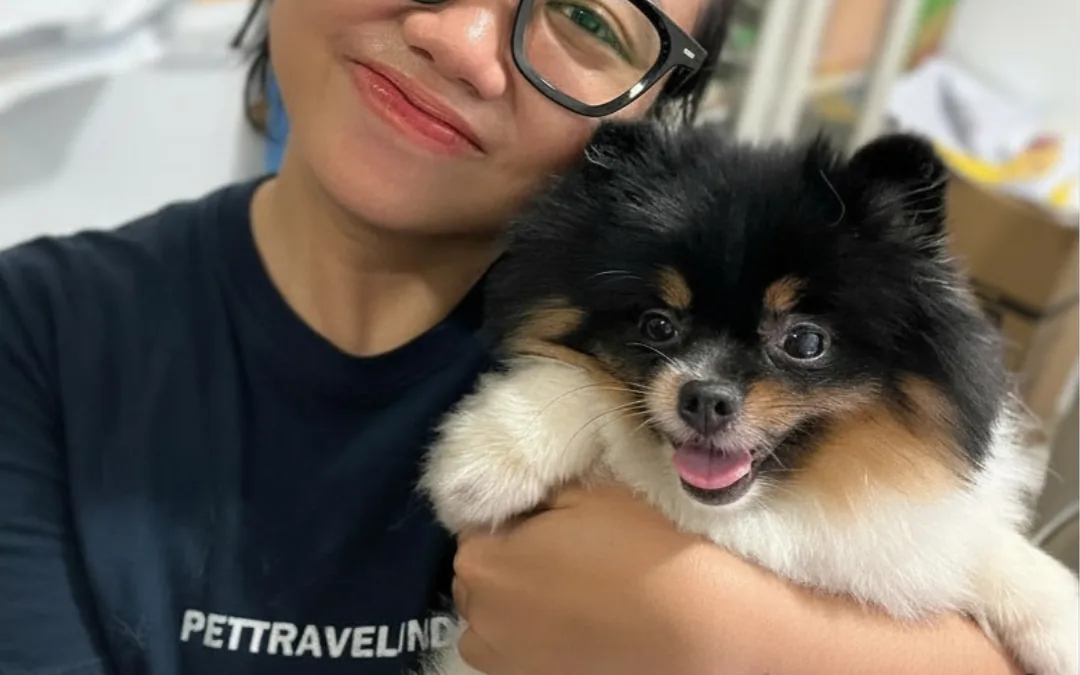
Every move starts with a short conversation: where from, where to, and who is travelling. Breed matters more than most owners expect. A snub-nosed dog or cat is refused as cargo by many airlines, a senior pet may need a gentler routing, and a large breed changes both the crate and the aircraft options.
You get back a plan in plain language: cabin or cargo, a realistic timeline, and an indicative cost. No commitment yet, and no documents to chase at this stage.
- Your part
- Photos of your pet, the route, a target month
- Our part
- Breed and airline check, plan, indicative cost
 2
2The stage that decides everything
Documents and vet work
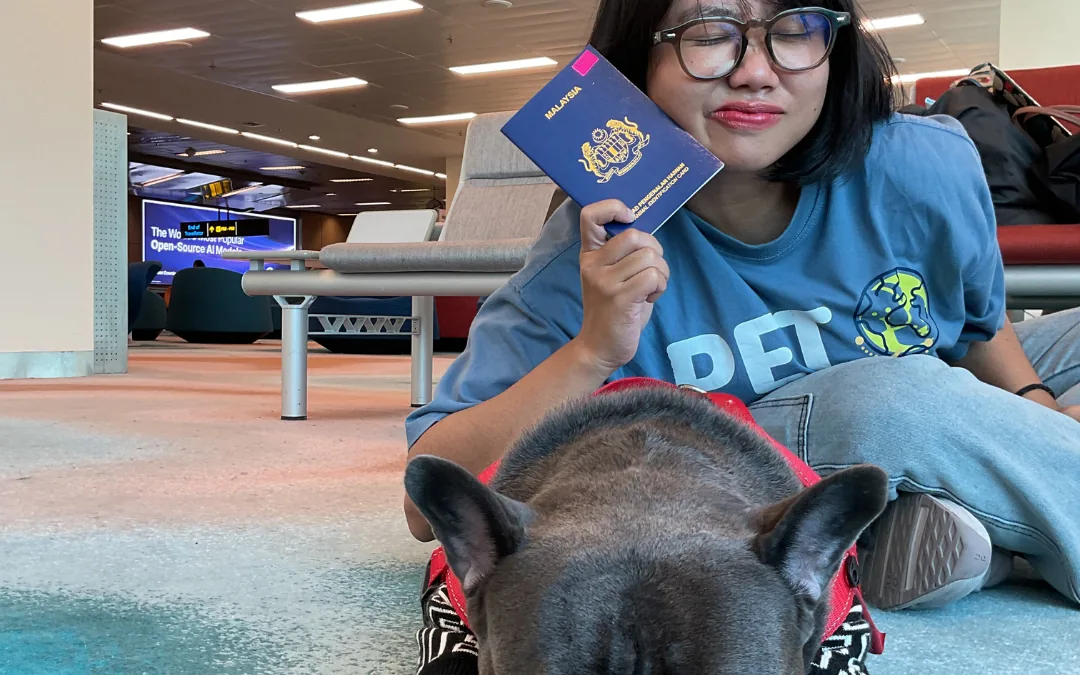
Microchip, vaccinations, a rabies titer where the destination demands one, and a government-endorsed health certificate. Each document carries its own validity window, and those windows have to overlap correctly on flight day. This is the part self-managed moves most often get wrong.
We schedule the vet visits backwards from your departure date, so nothing expires early and nothing is left too late. For strict destinations the titer alone can set the calendar, which is why we start here rather than with flights.
- Typical window
- Two to eight weeks, destination dependent
- Handled by
- Our team together with your own vet
 3
3Home for the journey
Crate and booking
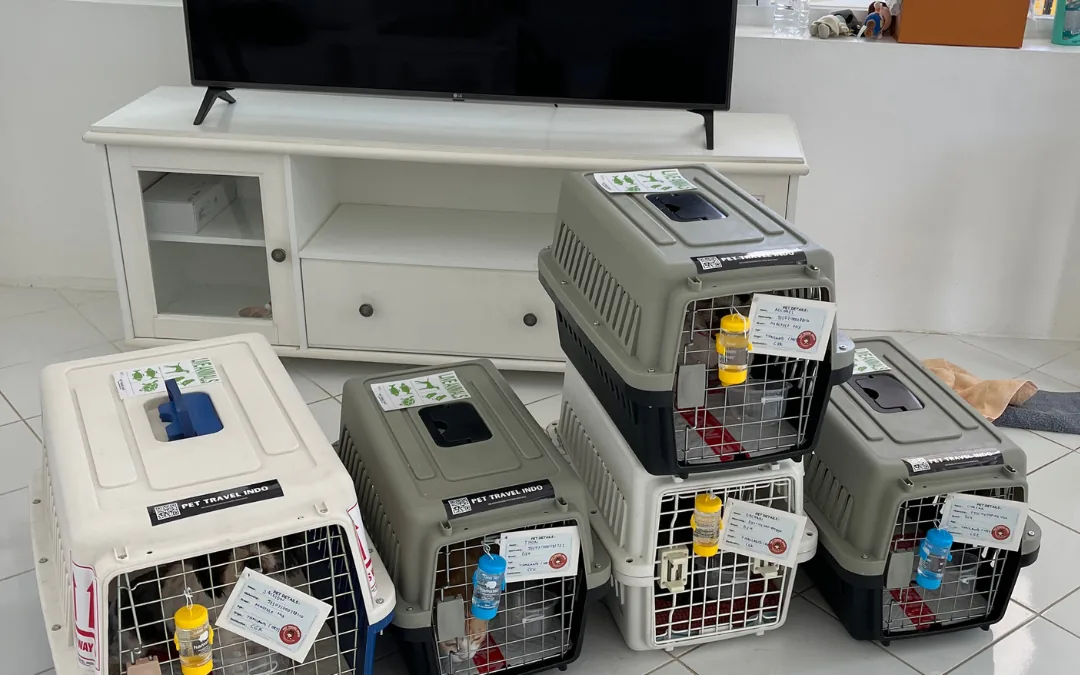
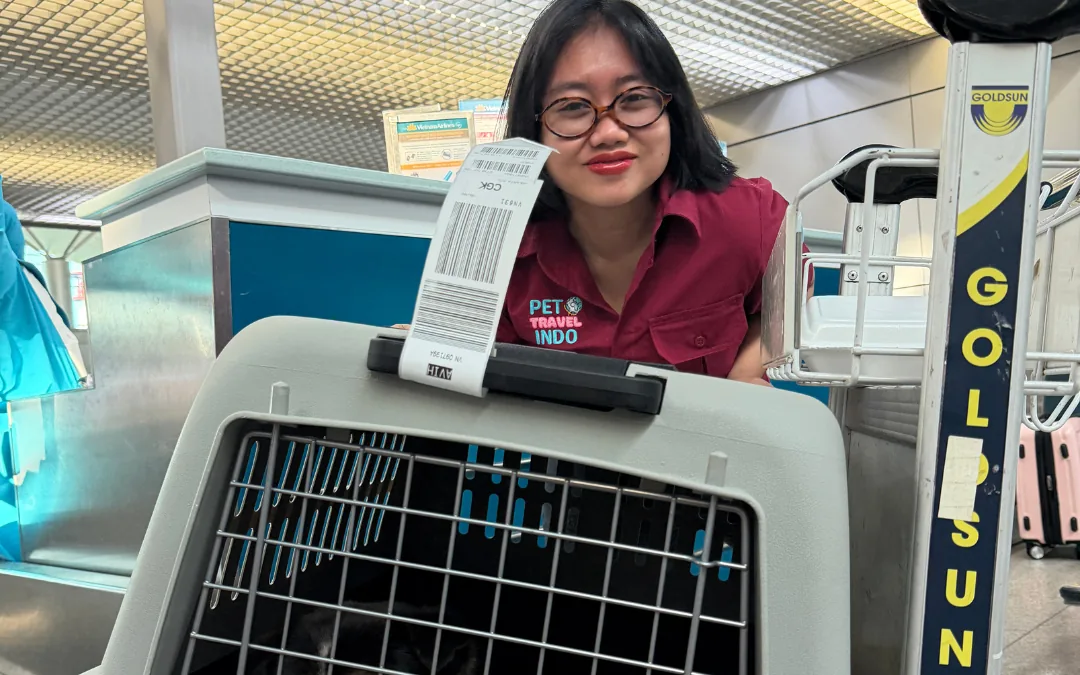
The crate is sized to your pet, not the other way around: room to stand, turn and lie down, with ventilation and a water bottle fixed in place. Airlines check this at the counter, and a wrong crate is the most common reason a pet is turned away on the day.
In parallel we book the live-animal space with the airline. Cabin slots and cargo positions are both capped per flight, so this gets locked in as soon as the documents are on track.
- Standard
- IATA Live Animals Regulations sizing
- Worth doing
- Let your pet nap in the crate at home first
 4
4The day itself
Flight day
We collect your pet, run a final document and crate check, and walk everything through the live-animal counter. Feeding is timed earlier in the day, water stays available, and the crate is tagged and photographed before it moves out of sight.
You get an update at each checkpoint: picked up, checked in, boarded. You are never left guessing whether things are running on schedule.
- Your part
- A calm goodbye, nothing else
- Updates
- A photo and a message at every checkpoint
 5
5In the air
The journey
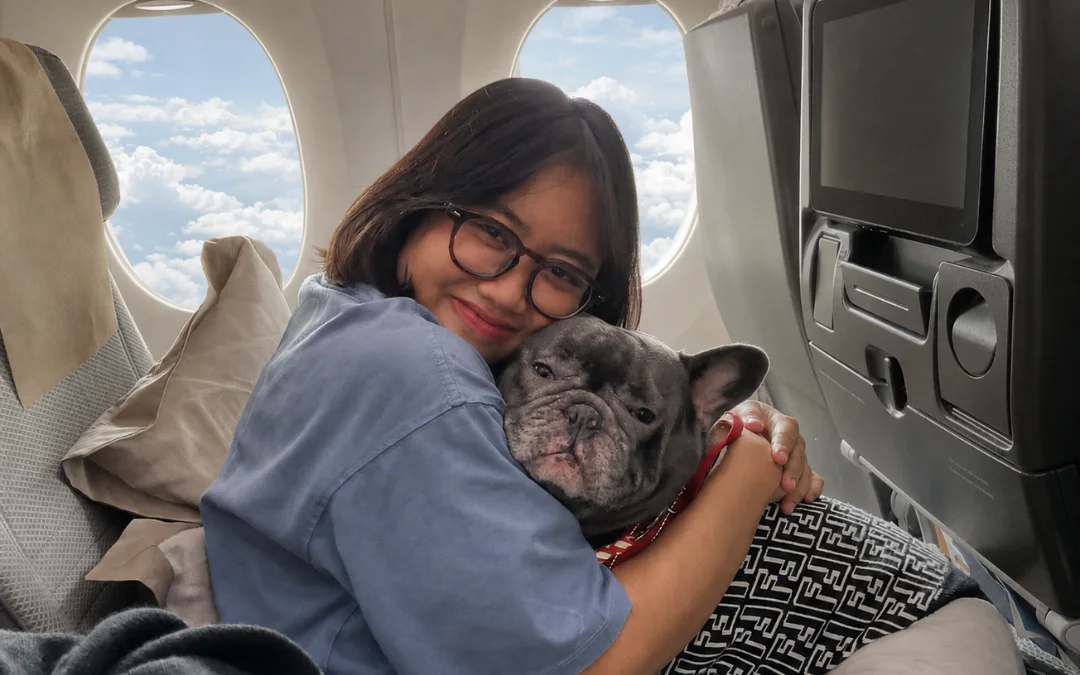
Depending on the plan, your pet flies as manifested cargo in the temperature-controlled hold, or in the cabin beside a member of our team on escorted moves. Either way the routing is chosen for the animal: short transits, no extreme-heat windows, no unnecessary aircraft changes.
On escorted flights our team member keeps the pet with them through every transit. On cargo moves, partner handlers meet the aircraft at connection points where the route calls for it.
- Cabin option
- Escorted by our own team on the same flight
- Cargo option
- Manifested live animal, temperature aware
 6
6The part everyone remembers
Arrival and handover
Customs and quarantine clearance are prepared before the aircraft lands, so the paperwork waits for the pet rather than the pet waiting for paperwork. Where the destination requires a quarantine stay, we book it in advance and monitor it through to release.
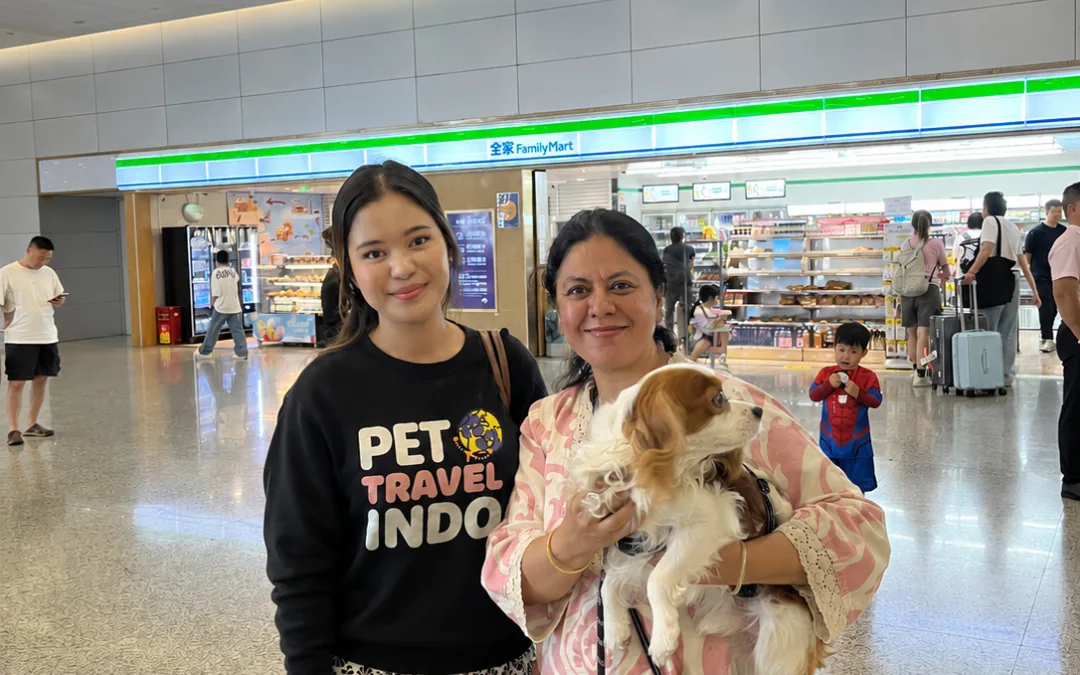
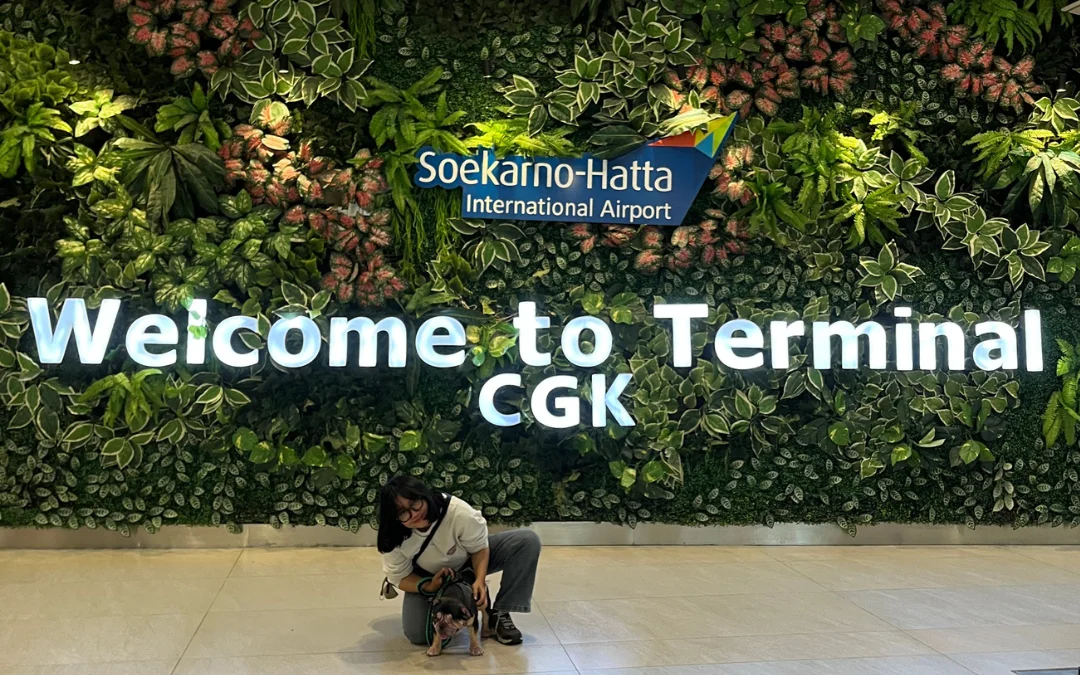
Then the only step that really matters: your pet, back with you, at the arrivals hall or at your front door. We stay reachable afterwards in case anything at all needs following up.
- Included
- Customs clearance, quarantine coordination
- Delivery
- Airport pickup or door to door
Wondering what this costs for your route?
Try the cost calculator for a first estimate in under a minute, or tell our team about your plan directly.
Common questions about the process
- How long does the whole process take?
- It depends almost entirely on the destination. Relaxed destinations can be ready in two to four weeks. Strict ones such as Japan or Australia run on titer waiting periods and can take several months. The assessment gives you a real calendar for your specific route before you commit to anything.
- Can I follow the journey while it happens?
- Yes. You receive a photo and a short message at each checkpoint: pickup, check-in, boarding, transit where applicable, and arrival. On escorted moves those updates come directly from the team member sitting beside your pet.
- Can I fly on the same plane as my pet?
- Often yes, and we encourage it when the routing allows. We can build the pet's booking around your own ticket, whether the pet travels as cargo below you or in the cabin. Tell us your preferred flights during the assessment and we check the live-animal availability on those first.
- What happens if something goes wrong on the day?
- The common problems are a crate that fails inspection, a document dated outside its window, or a flight change. We plan for all three: crates are checked against the exact aircraft in advance, documents are sequenced with margin, and we hold the airline relationship so a rebooking is handled by us rather than by you at the counter.