Bringing a Pet to Singapore: Planning Guide
September 24, 2026
Bringing a pet to Singapore can feel deceptively simple at the start: choose a flight, gather a few records, and travel. In practice, the move is a sequence of connected decisions. The animal’s origin, veterinary history, flight plan, and arrival arrangements all affect what needs attention first.
This guide is for owners relocating a dog or cat into Singapore from any origin country. It is not a substitute for current official instructions. Requirements and processing steps can change, so use it to build an orderly plan and confirm the route-specific details with the relevant authorities and your relocation team.
Start with the arrival question, not the flight
The first useful question is not which airline has space. It is whether your pet can arrive with the documents, approvals, and handling plan that apply to the origin country. Start by recording the planned arrival window, the country where the pet has been living, the species and breed, and any previous travel or vaccination history.
That information gives your veterinarian and coordinator a shared starting point. It also helps separate steps that must happen early, such as health preparation, from steps that can wait until the travel date is closer. For a broader view of how an international move is coordinated, see how pet transport services work.
Build one timeline that everyone can read
A pet move often involves an owner, a local veterinarian, an origin-side handling partner, an airline or cargo handler, and a Singapore-side contact. Give each person the same timeline. Include document appointments, review points, travel date options, and an arrival contact. This prevents a completed record from being overlooked because another step was planned around a different date.
| Planning stage | What to confirm | Why it matters |
|---|---|---|
| Early planning | Origin country and veterinary history | Sets the route-specific preparation sequence |
| Document review | Names, microchip details, dates, and supporting records | Finds mismatches while there is time to correct them |
| Travel planning | Flight, carrier method, and handover points | Keeps the pet’s trip aligned with approved paperwork |
| Arrival planning | Collection contact and onward transport | Reduces uncertainty after landing |
Keep the travel date flexible until the document sequence and arrival plan have been checked together. A later flight that matches the preparation timeline is usually easier to manage than an earlier flight that creates avoidable pressure.
Make veterinary records easy to audit
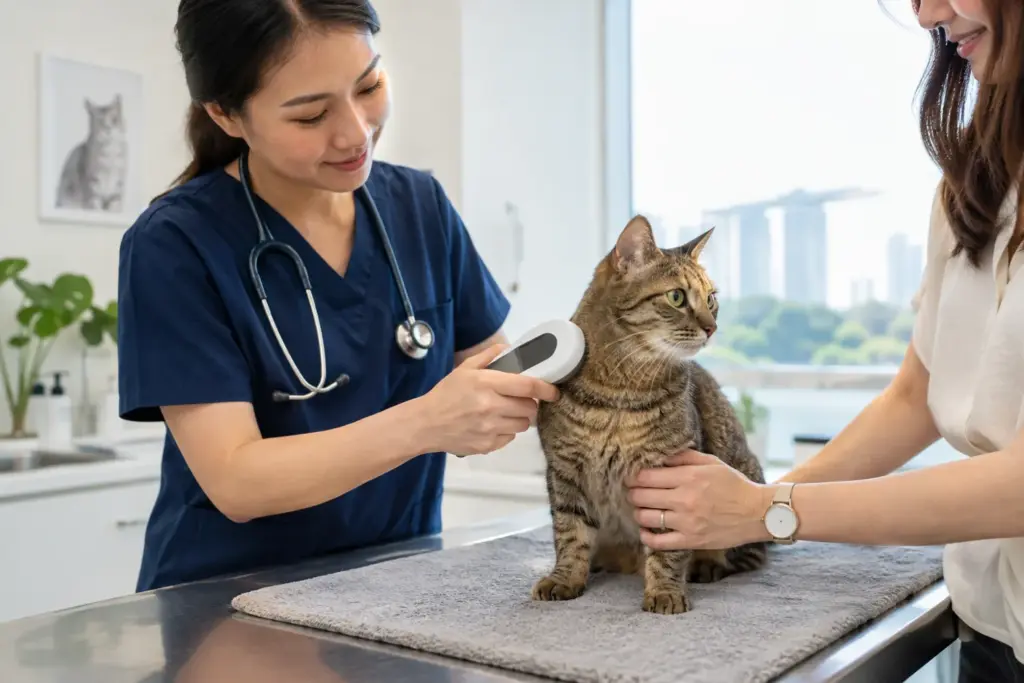
Ask for records that are readable and consistent. The pet’s name, species, sex, microchip information, vaccination history, and owner details should not conflict across documents. Small differences in spelling or dates can take time to clarify, especially when records come from more than one clinic.
Keep original documents protected and maintain a clean working copy for reviews. If a rabies-related step is relevant to the route, read this explanation of rabies titer planning before assuming when a test should happen. It explains the role of timing without treating every origin country as the same.
Choose a travel plan that fits the pet
Airline availability is important, but it is only one part of the decision. Consider the pet’s size, temperament, health needs, travel crate or carrier preparation, connection points, and the time needed at each handover. A route with fewer complications can be preferable even if it is not the first option you find.
Prepare the pet gradually for the travel setup. Familiar bedding, calm handling, and a carrier or crate the animal can enter comfortably can make the travel day less disruptive. Your veterinarian can advise on the pet’s individual health and welfare needs; do not assume that a plan suitable for another animal is suitable for yours.
Plan the Singapore handover before departure
Arrival is a handover, not the finish line. Decide who will receive updates during travel, who will be reachable after landing, and how the pet will continue from the airport. The plan should also say where originals are held and who can answer questions about the paperwork.
Owners moving for work can benefit from joining the animal’s timeline to the household move. Our guide to corporate pet relocation for employee assignments outlines why housing, arrival dates, and pet travel should be planned together. If your route starts in Australia, the dedicated Australia to Singapore guide is a more specific companion resource.
Use a final review instead of a last-minute scramble
A few days before travel, review the plan in the order it will be used: pet identification, veterinary records, approvals, carrier arrangements, flight details, handover contacts, and arrival transport. Confirming these items together makes gaps visible before they become airport problems.
Singapore entry arrangements can change, and individual circumstances matter. Confirm the current AVS requirements and any airline handling instructions with your team before you lock the final itinerary. Calm preparation gives both you and your pet more room to adapt.
Frequently asked questions
How early should I begin planning?
Begin as soon as the move is likely. The right lead time depends on the origin country, the pet’s records, and the travel plan. Early review is safer than relying on a single generic timeline.
Can one checklist cover every country?
No. A checklist can organize your work, but current requirements can differ by origin and can change. Use it as a planning tool, then confirm the route-specific details.
Should I book the flight first?
Usually, first confirm the document sequence and a realistic arrival window. A provisional travel plan can help coordination, but avoid treating it as fixed before the required steps have been reviewed.
What should I do if a record has a different spelling?
Raise it early with the issuing clinic and the team reviewing the file. It is easier to clarify a mismatch before travel than during a handover.
Need help turning a possible move into a coordinated plan? Contact the Pet Travel Asia team to discuss the origin, intended arrival window, and the next practical step for your pet.