Pet Travel to South Korea From the United States
August 14, 2026
Many owners hear that South Korea has no quarantine and assume a move from the United States will be simple. The more useful way to see the route is this: a smooth arrival is attached to a compliant file, not to the country your pet leaves from. South Korea’s Animal and Plant Quarantine Agency, APQA, assesses what arrives with your pet.
That does not make the process mysterious. It makes sequence important. When your records, identity details, veterinary work, and travel timing tell the same story, the arrival review has a clearer foundation. This guide explains how to plan that story without treating a conditional outcome as a promise.
A compliant arrival is something your file earns
South Korea may have no quarantine for compliant low-risk origins, but that wording matters. It is not an automatic entitlement on arrival. APQA’s import inspection is the decision point, and it relies on a coherent set of records rather than a verbal account of your pet’s history.
The current country requirements cover items such as a microchip, rabies titer, and an APQA import inspection certificate. Read the full South Korea pet import guidance whenever you need the current requirements. Rules can change, and our team verifies the applicable position before each move.
Build the identity and health sequence before booking
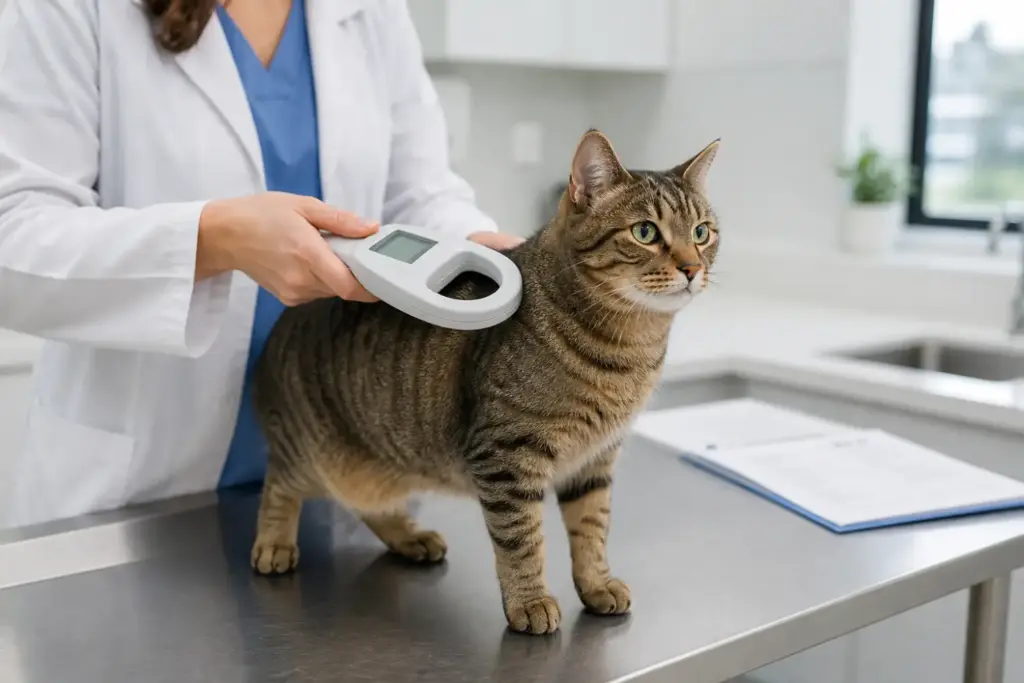
Start by checking the identity that will follow your pet through every record. The microchip number is the anchor for veterinary documents, rabies records, laboratory work, and the final travel file. A mismatch that seems small on one page can create a larger question when the full file is reviewed.
Next, plan rabies work and the titer in the order the destination expects. A titer is a laboratory result, and the practical question here is not only whether a sample was taken, but whether the result and the identifying details line up with the file APQA will see. For a plain-language explanation of the test, see our rabies titer guide.
Keep one working record of the microchip number, names, dates, and document owners, then compare it against every new certificate before it is issued. This is especially helpful when records come from more than one clinic or when a pet has an older vaccination history.
Prepare United States documents for a South Korea review
The United States side is not a separate project that ends at departure. It produces the evidence that supports the South Korea arrival review. A USDA-accredited veterinarian prepares the health documentation, and USDA APHIS endorsement is handled through VEHCS where applicable. The goal is for the signed records to match the destination-facing health and identity trail.
Use the United States pet export overview for the current export framework, but keep your planning question route-specific: does this document support what APQA needs to assess? Reviewing the file against what APQA assesses before the final signing stage helps you catch gaps early.
Place the United States window inside the Korea plan
There are two planning windows, but they are not parallel tracks. South Korea planning commonly needs a 4 to 6 month view because the sequence of eligibility records has to be established well before departure. The United States export window, often planned over 6 to 12 weeks, sits inside that longer Korea window and comes closer to the travel date.
| Planning layer | What it protects | How it fits the move |
|---|---|---|
| South Korea plan | Eligibility sequence and APQA-facing records | Set first, months before departure |
| United States export plan | Veterinary certification and USDA APHIS endorsement steps | Scheduled within the Korea plan, nearer departure |
| Travel readiness | Document consistency, carrier, and handover coordination | Final check once both layers align |
Working backward from an intended arrival date gives each step a place. It also helps you avoid rushing a destination prerequisite simply because the export appointment is approaching.
Common reasons a plan needs more time
Most schedule changes are not dramatic. They often arise when a name is presented differently across records, a microchip number is transcribed incorrectly, a past vaccination record needs clarification, or a veterinary appointment cannot happen when the travel file needs it. These are solvable issues when found early, but they are harder to untangle near departure.
- Compare the pet’s identifying details across all existing records before starting a new certificate.
- Keep originals and clear scans together, with one person responsible for the working checklist.
- Ask the veterinary team which information must be carried into the final certificate.
- Use a route-specific pet import checklist rather than relying on a generic travel list.
Keep the travel handover proportionate
Once the records are on track, prepare a suitable carrier without letting carrier shopping replace document planning. The crate must meet the travel arrangements you choose, and our IATA crate guide can help you understand the general standard. For this route, though, the strongest preparation remains a file that APQA can assess clearly.
Frequently asked questions
Does South Korea always waive quarantine for pets from the United States?
No outcome is automatic. The published position describes no quarantine for compliant low-risk origins, while APQA assesses the import file at arrival. Confirm the current requirements for your pet before travel.
When should I start planning pet travel to South Korea?
Plan from the Korea side first, using the 4 to 6 month planning view, then place the 6 to 12 week United States export work inside it. Your situation and records may require a different pace.
Who issues the final United States health paperwork?
A USDA-accredited veterinarian prepares the relevant health documentation, with USDA APHIS endorsement through VEHCS where applicable. The important point is that the final details remain consistent with the destination file.
Can anyone guarantee my pet will avoid quarantine?
No. Careful preparation and an up-to-date route check help, but APQA makes the import assessment and regulations can change.
Moving a pet from the United States to South Korea is easier to manage when the destination review leads the calendar.
About our coverage. Pet Travel Asia coordinates moves where the pet’s origin or final destination is Indonesia, the Philippines, Thailand, Malaysia, Singapore or Vietnam, so we do not arrange US-to-South Korea relocations. Use this guide to plan the sequence, and confirm current requirements with APQA and an accredited veterinarian in the United States. If your move involves one of those six countries, see our route coverage.