Cat Transport Indonesia: Planning Guide
September 25, 2026
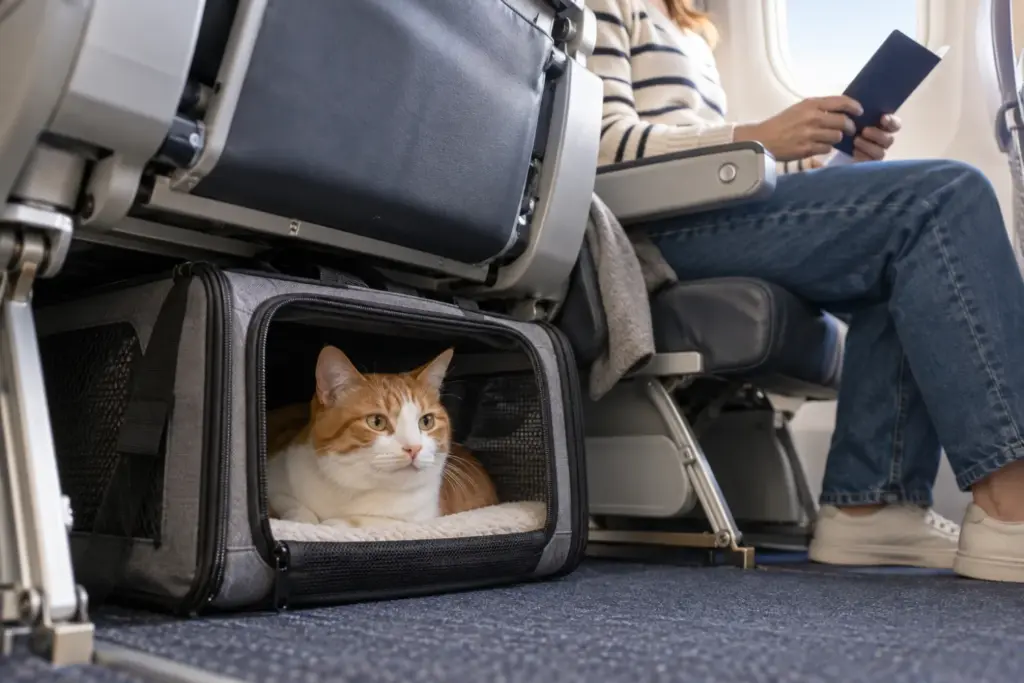
Cat transport in Indonesia is often described as a booking problem. For a cat, it is more accurately a planning problem: the route, travel container, documents and handover all need to fit together before a departure date is confirmed.
A calm plan does not promise that every flight or authority decision will be predictable. It gives you room to check the current requirements, prepare your cat gradually and make a practical choice between a domestic move and an international relocation.
Start with the journey your cat is actually taking
First separate the destination, the transport method and the person receiving your cat. A domestic trip can still involve airport acceptance rules, an airline schedule and a handover at a destination city. An international trip adds export, import and airline requirements that can change with the origin, destination and routing.
Write a short route brief: departure city, destination, preferred travel window, whether you are travelling on the same flight, and who can receive the cat. This is more useful than starting with a crate purchase. It also helps you compare a route that works for your cat with one that only looks convenient on a timetable.
For a broader view of planning cost components, see international pet shipping costs. The exact quote depends on the live route and services, so treat examples as planning inputs rather than fixed prices.
Decide whether domestic and international preparation should differ
Domestic transport is not simply a smaller version of export. The essential question is whether the airline and destination process can be completed safely within the available time. A cat moving between Indonesian cities may need a simpler document set, but you should still confirm the current rules with the airline and the relevant local offices.
International transport needs a timeline because authorities may review health records, identification and import permission at different stages. Destination rules can change, and a transit country may add conditions of its own. If Singapore is the destination, our Singapore arrival guide is a useful route-specific companion.
| Planning point | Domestic move | International move |
|---|---|---|
| Route check | Airline, local acceptance and receiving plan | Airline, export, import and any transit requirements |
| Timeline | Build in time for carrier comfort and confirmation | Start early enough to sequence documents and approvals |
| Handover | Agree the exact pickup point and contact person | Plan arrival clearance and the authorised receiver |
Choose a carrier around comfort and acceptance
A carrier is both your cat’s familiar space and an item the airline must accept. The right option depends on the travel mode and current carrier rules. Avoid selecting one only because it is labelled as travel-ready. Check the dimensions, ventilation, closure, absorbent lining and whether your cat can stand, turn and settle naturally.
Begin carrier familiarisation at home. Leave the carrier open, add familiar bedding if appropriate and use short, calm practice sessions. Build carrier comfort before travel week, not during the final packing session. If a hard travel crate is required, the principles in our IATA crate guide can help you prepare questions for the airline.
Build a document plan without guessing regulations
Keep a single folder for your cat’s identification records, veterinary history, vaccination evidence, airline correspondence and destination instructions. The documents needed for one route may not be sufficient for another. Do not assume a previous trip establishes a permanent rule.
Your veterinary professional can advise on your cat’s health readiness. For official movement requirements, ask the relevant authority what applies to your route at the time of travel. PTA can help coordinate the questions and sequence, but official decisions remain with the authorities and airline.
- Record the cat’s identifying details consistently across documents.
- Keep a dated copy of airline and authority guidance.
- Check names, destination and flight details before submission.
- Ask which step must be completed before the next one.
Plan the handover and arrival experience
A good handover is specific. Confirm who brings the cat to acceptance, what happens if the flight time changes, and who receives updates. At arrival, ensure the receiver knows where to go, how to identify the carrier and which documents should be kept available.
Give your cat a quiet recovery space after travel, with water, familiar items and time to settle. Avoid turning arrival day into a busy welcome event. For longer or more complex routes, a route-specific guide such as our United States to Japan planning guide shows why each corridor needs its own checks.
FAQ: cat transport in Indonesia
How early should I start planning?
Start as soon as the destination and approximate travel window are known. International moves usually need more sequencing, while domestic moves still benefit from early airline and carrier checks.
Can my cat use the same carrier for every flight?
Not automatically. Confirm the current airline and travel-mode requirements before relying on a carrier, even if it was accepted on a previous trip.
Will there be a fixed transport timeline?
No. Flight availability, documentation and authority review can affect the schedule. Plan with contingency time and confirm each step as it becomes relevant.
What should I do if the route changes?
Tell the airline and coordination team promptly. A change in destination, transit point or date can change the checks that need to be made.
When you are ready to discuss your cat’s route, contact our team with the origin, destination and preferred dates. We can help turn those details into a calm, route-specific plan while you confirm the current official requirements.