Pet Export from Vietnam: A Departure Planning Guide
September 27, 2026
Leaving Vietnam with a dog or cat is not simply an airline booking with a carrier added. The departure file has to connect the pet’s identity and health records, the airline’s live-animal process, and the entry rules of the next country. When one detail changes, such as the destination, transit point, or flight date, the workable sequence can change too.
This guide covers the Vietnam-side planning for a family pet leaving the country. It is deliberately different from a guide to bringing a pet into Vietnam: the Department of Animal Health process, the veterinary file, and the destination’s acceptance all need to be coordinated before a departure date is fixed. Rules can change, so confirm the current route-specific process with the relevant authorities and your travel team.
Start with the country your pet is entering
The destination sets the outer boundary of a pet export plan. It may require an import permit, a particular health-certificate format, evidence of identification or vaccination, or a pre-arrival step. Vietnam-side paperwork supports departure, but it does not replace approval at the other end of the trip.
Begin with the destination authority’s current guidance, then map the Vietnamese steps backward from it. A route to Indonesia and a route to Singapore, for example, should be planned as separate files rather than treated as interchangeable. The Singapore arrival planning guide shows why receiving-country confirmation belongs in the first conversation, not the final airport handover.
Keep one route worksheet that records the destination requirement, document owner, issue date, and flight milestone before you book a final itinerary.
Build a consistent Vietnam departure file
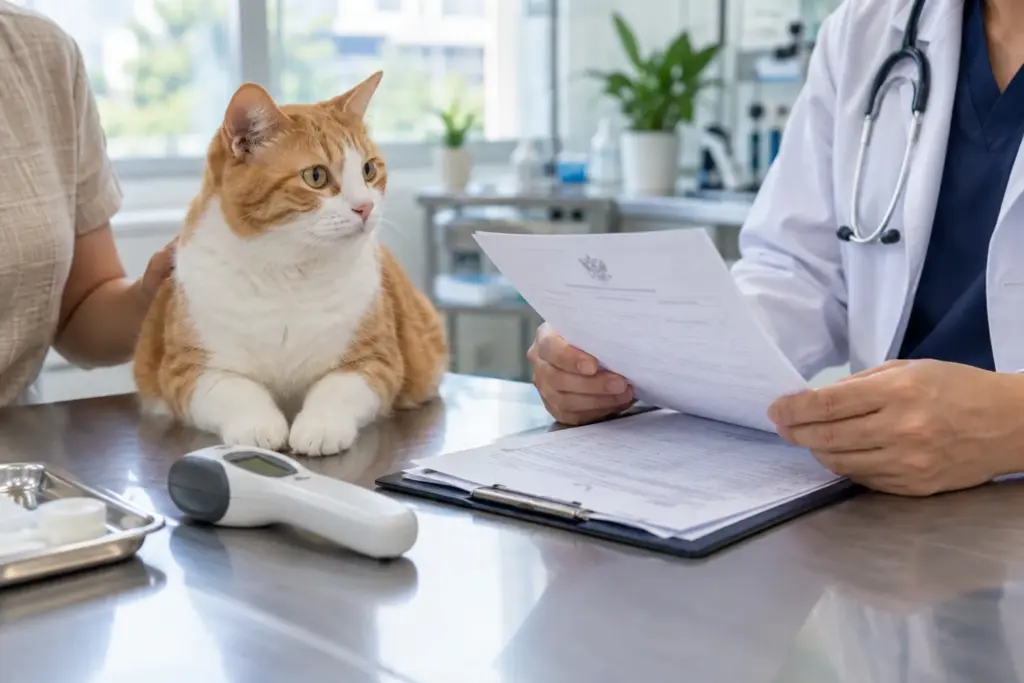
The exact documents depend on the pet and destination, but the file normally begins with records that consistently identify the animal. Ask the veterinarian to review the microchip details, vaccination history, clinical examination timing, and any certificate wording needed for the planned route. Original records and readable copies both matter when several people need to check the same details.
- Pet identification and ownership information that matches the travel booking.
- Vaccination and health records reviewed for the destination’s current requirements.
- A health certificate prepared in the sequence and format the route calls for.
- Destination approvals or permits, if the receiving country requires them.
- Flight and handler details that match the final document set.
The Department of Animal Health is the relevant Vietnamese animal-health authority to confirm for the export side. Do not assume that a certificate from a previous journey or another country will be accepted again. Small differences in a microchip number, owner name, date, or routing can require a document to be reissued.
Let the document timing guide the flight plan
Some destination documents or examinations are only useful within a limited period, while airline acceptance can also depend on the confirmed route and pet details. That is why it is safer to hold a provisional travel date while the requirements are being checked, then align the veterinary appointment, authority review, and terminal acceptance with the approved plan.
| Planning area | What to confirm | Why it matters |
|---|---|---|
| Destination entry | Permit, certificate wording, and pre-arrival steps | These conditions can determine the whole departure timeline. |
| Veterinary file | Identification, health history, and examination sequence | Records must agree with each other and the intended route. |
| Vietnam export check | Current Department of Animal Health process | The departure procedure may change with the destination and circumstances. |
| Airline handling | Pet acceptance, carrier, and cargo handover instructions | A passenger booking alone is not confirmation that the pet can travel. |
A route-specific checklist helps prevent the common mistake of arranging the flight before the document path is known. Use the international pet relocation checklist to assign each milestone, but let the current authority guidance override a generic checklist whenever they differ.
Confirm airline acceptance as a separate gate
Airlines can have their own rules for animal type, carrier dimensions, routing, weather, connection points, and cargo acceptance timing. A flight that works for a passenger may not have a workable live-animal option on the same date. Ask for written confirmation of the pet booking and recheck it if the itinerary changes.
Prepare the travel carrier early enough for the pet to become familiar with it. The carrier needs to suit the airline’s current conditions and allow the animal to stand, turn, and rest comfortably. The cat transport planning guide is a useful reminder that calm carrier preparation and paperwork readiness should progress together, even though the origin country is different.
Plan the Vietnam handover without promising a fixed outcome
Before travel day, check that the final certificate, pet identification, booking reference, destination contact, and carrier label all tell the same story. Keep originals accessible instead of placing them in checked luggage. Allow time for the terminal process and for any questions from airline or animal-health staff.
It also helps to plan the first hours after arrival before departure: who will receive the pet, how onward transport will work, and which documents will be presented at the destination. The pet cargo handover guide explains why airport handling and the wider relocation plan should be treated as connected but separate tasks.
Frequently asked questions about pet export from Vietnam
Does a Vietnamese health certificate guarantee entry overseas?
No. It supports the departure process, while the receiving country decides its own entry conditions. Confirm both sides of the route before finalising travel.
When should I book my pet’s flight?
Discuss flight options early, but avoid treating a booking as final until the destination requirements, Vietnam-side document sequence, and airline pet acceptance have been checked together.
Will every pet need the same export documents?
Not necessarily. The species, destination, travel method, and current authority instructions can affect the required file. Ask for confirmation for your individual pet and route.
What happens if the airline changes the itinerary?
Recheck the animal booking, transit conditions, and document timing immediately. A different routing or flight date can change the approvals and handover steps that need confirmation.
A well-prepared Vietnam departure plan begins with the destination, then brings the veterinary file and flight process into one workable sequence. Contact Pet Travel Asia to discuss practical coordination for your pet’s route before travel is locked in.